On Further Reflection: The Canadas (Part 2 of 2)

With minor revisions, as originally published July 1, 2020
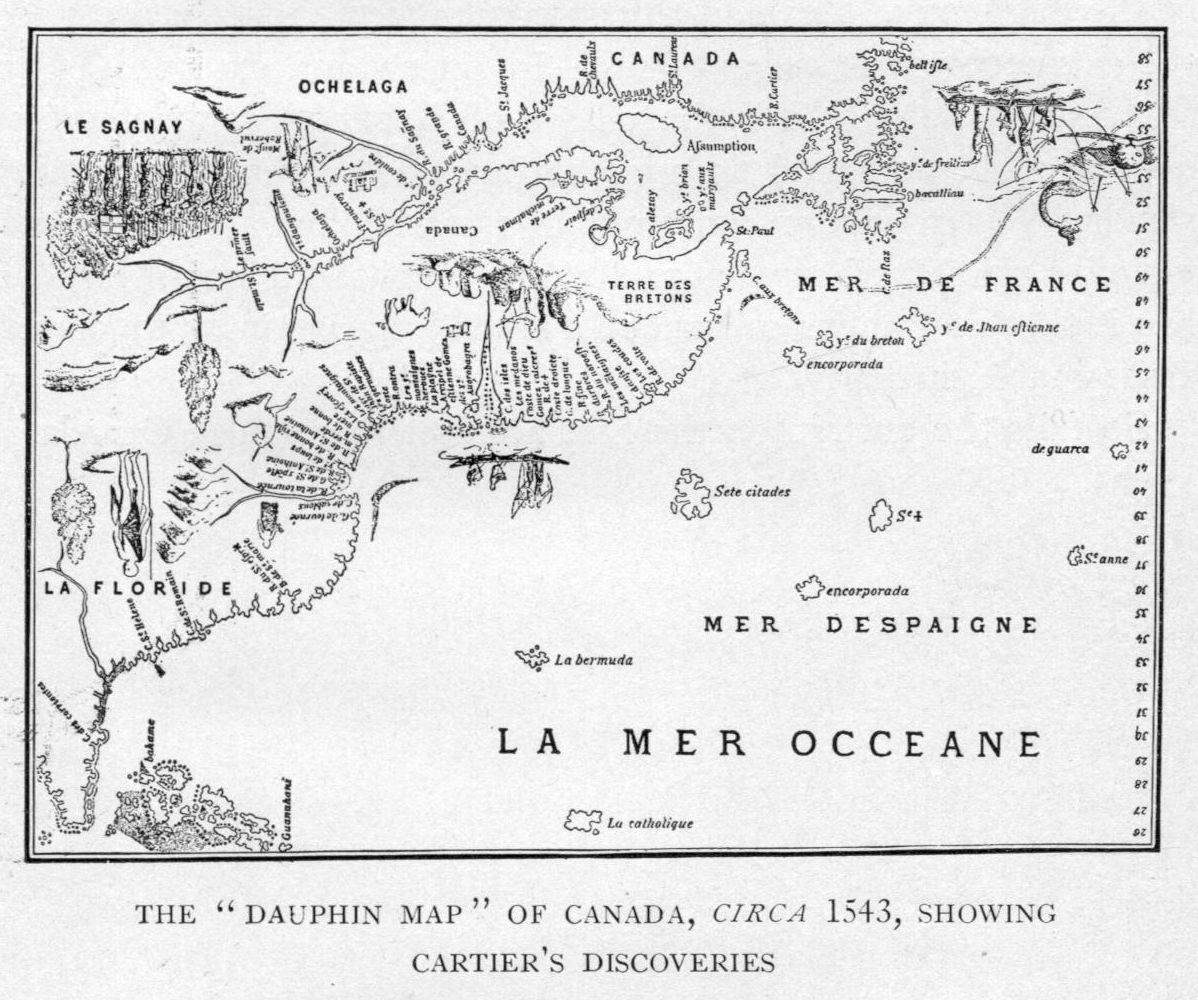
I’ve been using the second person plural a lot: “we”, “us”. What I mean is we, the people who belong to the land of towns.

The question of who belongs here, and in what way, quickly becomes complicated.

For starters, let’s consider the sequence of events in the “Celebrate Canada” program run by the federal Department of Canadian Heritage.

It begins with National Indigenous Peoples Day, on the summer solstice. 

The traditional Quebec holiday known as Saint-Jean-Baptiste Day happens June 24th. 

June 27 is Canadian Multiculturalism Day. 

The series culminates with Canada Day.

This is meant to be a benign, feel-good set of observances. But the problems are immediately apparent.

Saint-Jean-Baptiste Day was renamed Fête nationale du Québec in 1984.
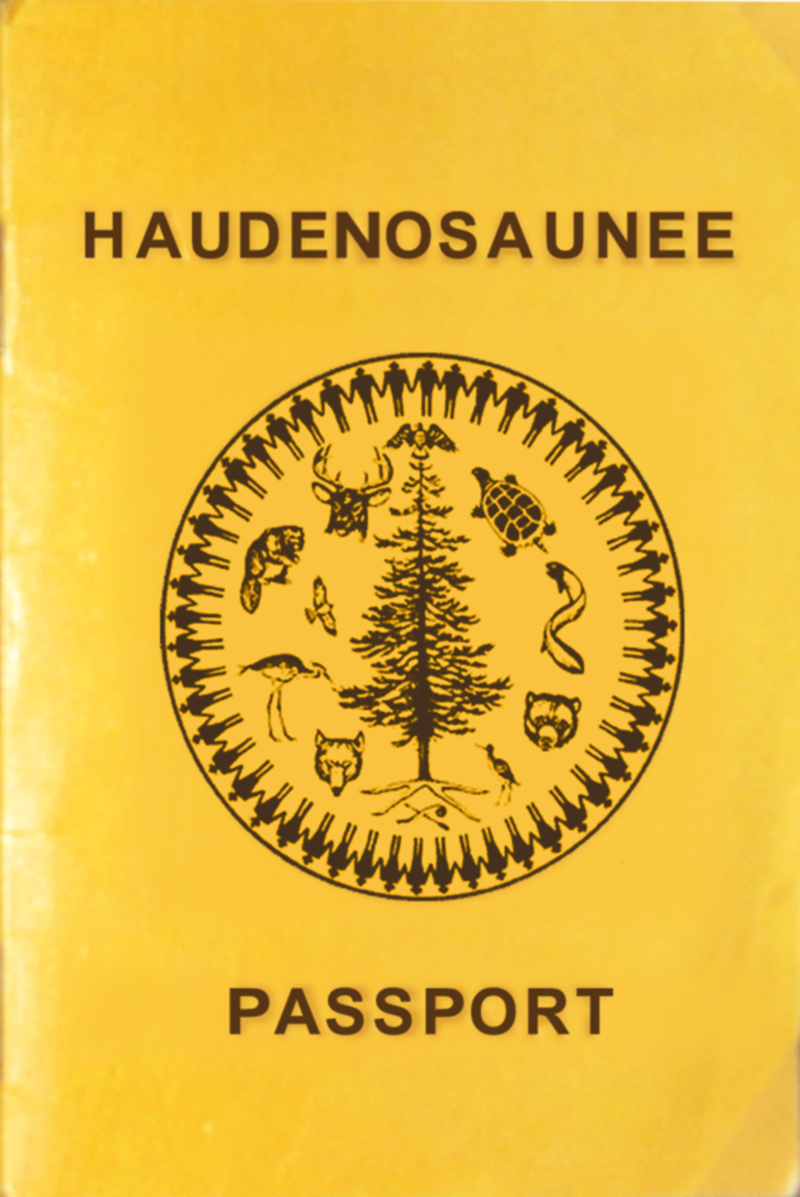
The “National” in Indigenous Peoples Day/Month needs some qualifications and explanations. The fact is, with the possible exception of Métis Nation, the Indigenous Peoples are part of, but not confined to the land of Canadas.  

The lines that define the various states, provinces and territories of North America, and the border that separates their union of states from our confederated provinces have little or nothing to do with the original nations of this continent.

The international border is enforced with guns and prisons, so it’s best not to defy it, as some brave souls carrying a Haudensaunee passport have been known to do. 

The point is, for Indigenous peoples, that border is an imposition, and to some extent, so was the Dominion of Canada. In the beginning, and underlying all, is the land called Turtle Island.

Inigenous Peoples Day, as the Prime Minister of Canada said this morning (I’m writing this Sunday morning, June 21, 2020) “to take time to reflect on the cultures, traditions, languages, contributions, and heritage of First Nations, Inuit, and Métis people.”

The contributions of First Nations, Inuit, and Métis to what the land of the Canadas has become are valuable beyond measure. They certainly belong to the land of towns, and the land belongs to them more than to anyone else. However, in both time and geographical space, Indigenous peoples, cultures and nations transcend the Canada that Justin Trudeau is Prime Minister of.

Celebrate Canada covers, in whole or in part, two of three nations that John Ralston Saul describes as the “triangular reality” of Canada: First Peoples, francophones and anglophones. 

Francophone Canada is more than Québec. National Acadian Day happens August 15.  The Métis Nation is part of Indigenous Peoples Day; Louis Riel Day in Manitoba is February 15. 

There are also the people of the Québecois diaspora from coast to coast to coast, and over the border into the lands of the Bostonnais

The descendents of the Acadians who were expelled to the English colonies, and who made their way to Louisiana when it was part of Spain in the Americas are also part of the story.

But what about all the other peoples and nations that are part of the land of the Canadas?

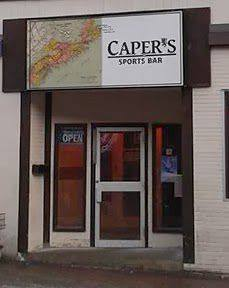
What about Newfoundlanders. Aren’t they a nation? What about the Capers in Nova Scotia?
What about the Doukhobors and the Hutterites out West, or the Mennonites who originated from the Netherlands and came here via Russia, East Friesland, sometimes even Mexico or Paraguay? What about those settlers that came here to Grand River country from Pennsylvania, looking for land that would allow them to live, work and worship in a place more peaceable than the new revolutionary republic forged in battle? 

These aren’t nations, but they are peoples, peoples set apart by their heritage and by choice.

And what about all the rest of us? Is Canadian Multiculturalism Day a big stew pot for all of allophone Canada, including Dutch settlers like me and the Deutsch who came from Europe to build the City I live in? Or do we all get lumped in among the anglophones as soon as we learn to speak and think in English?

And speaking of the anglophone part of the triangle, why is this not part of Celebrate Canada? 

In my Waterloo Region Record column, I used to advocate for making Victoria Day part of Celebrate Canada.

I once considered our peculiar habit of observing Queen Victoria’s birth as an opportunity to reflect on the cultures, traditions, contributions, and heritage of British Canada: the United Kingdom as represented in the Union Jack. Fête de la Reine, after all, is about a monarch with palaces in both England and Scotland. 

This would cover the thistle and the rose; how the shamrock relates to the Maple Leaf Forever is another matter.

But since the rise and triumph of Brexit, I’ve changed my views. The United Kingdom barely survived a “yes or no” referendum in Scotland not so long ago, just as the land of the Canadas did, not once, but twice upon a time. 

“Better together” was the motto of the winning side in the referendum for Scottish independence in 2014. Great personages like Sir Mick Jagger, David Bowie, and Sir Paul McCartney joined in the effort to save their country. But that slogan has now lost all credibility. 

My fear is that Brexit may prove to be the most momentous manifestation of the separatist impulse since the English settler colonies declared their independence in 1776. 

At least that exit made some sense: The colonies had to become a separate entity so that France, their former arch enemy, could fight with and for them. Brexit 2016-2020 makes no sense whatsoever. 

English voters were fooled, the same way voters south of the border were taken in to allow the greatest anglophone liar of all time to wear the mantle of honest George Washington. 
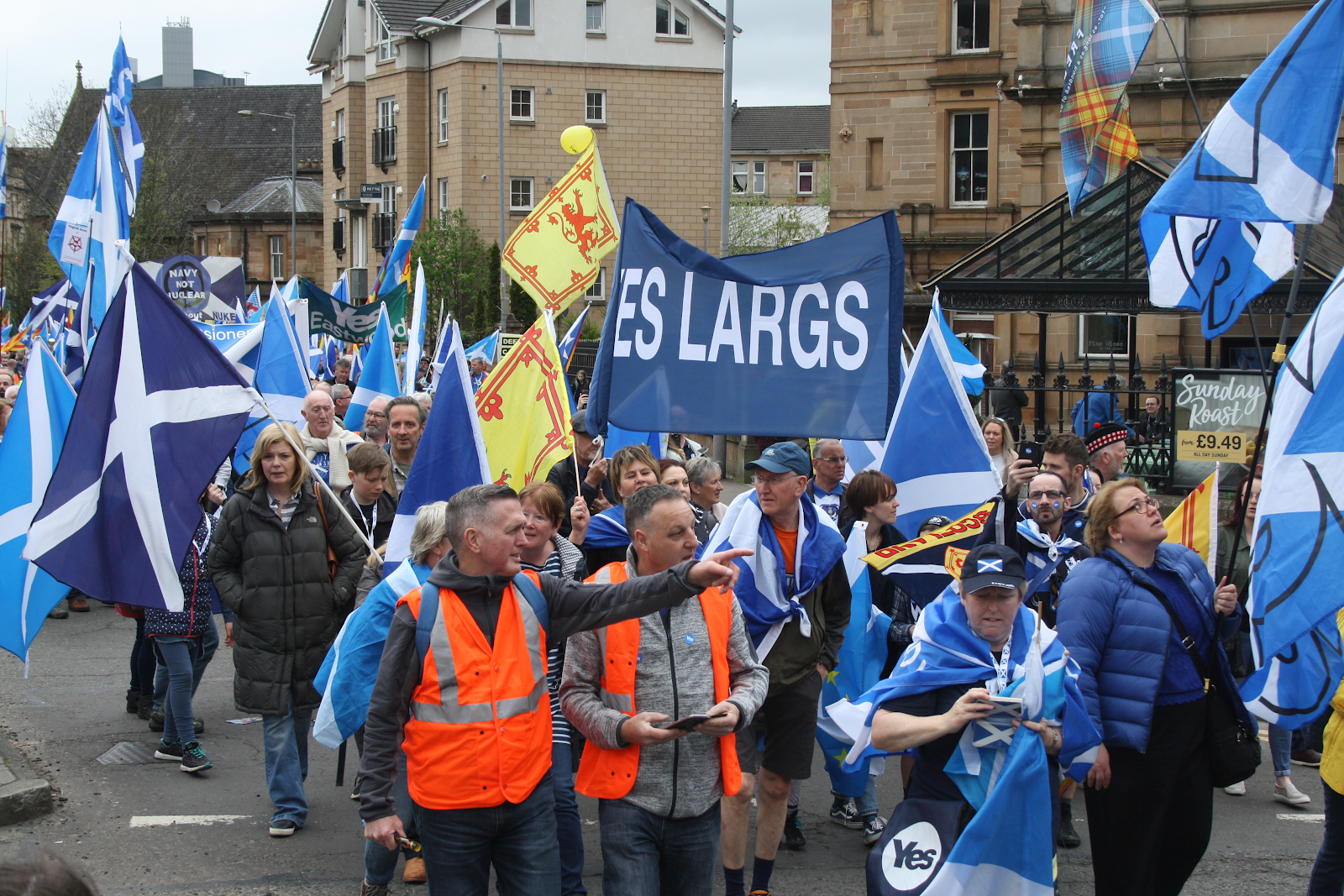
Appalled with the election of a clown to fill the shoes of Winston Churchill, I began shouting (in text, through social media) Vive l’Écosse libre! 

“How this will affect all the other separatist causes around the world,” I wrote, “ — Albertan, Basque, Biafran, Canarian, Catalonian, Flemish, Frisian, Hong Kongese, Kurdish, Londoner, Puerto Rican, Quebecois, Tibetan, Uyghur,  Zulu — remains to be seen”. 

It is at that point that I started thinking that an evolved configuration of the land of the Canadas might help us steer our way between the Scylla and Charybdis of a motherland besotted by the narrow nationalist separatism, and a brotherland incapacitated by the White Man Republican contagion.

Meanwhile, with regard to the Celebrate Canada lineup, my preference for the main branches of Celtic Canada — i.e. citizens with origins in the lands of the Indigenous peoples the British Isles —  are St Andrew’s Day (November 30), St David’s Day (March 1), and the one we all know: St Patrick’s Day.

In Jamaica, the national motto is “Out of Many, One People”. Which is certainly a worthy aspiration. Unity, however, doesn’t suit the Canadas. Unity was the goal of the Durham Report when it recommended the assimilation of the francophone nation into a single, anglo-dominated entity. Unity was the aim when residential schools were set up to assimilate Indigenous youth into the settler mainstream.

Canada is plural: One Land; Many Peoples. 

We are not a single unit, nor a twin, not even a triangle: We are multiform, and best viewed through a lens that is kaleidoscopic. 

To keep it together, and to prepare for the trials that lie ahead, we would be wise to embrace our manifold past, present and future, and make ours a story of how a land of nations, peoples and towns came to be, to flourish, and perhaps even to be a light to the world.
On Further Reflection: O Canada (Part 1 of 2)

with minor revisions, as posted July 1, 2020, along with Part 2: “The Canadas”

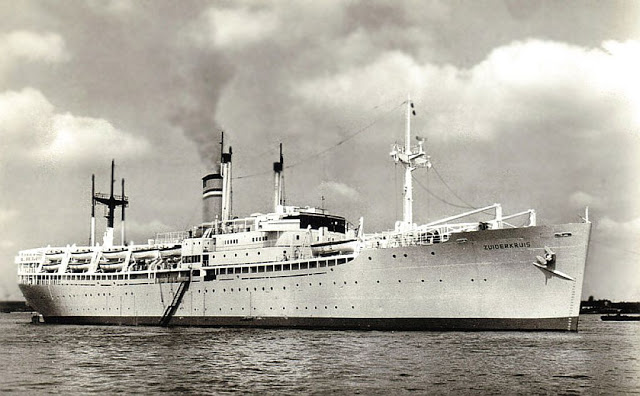
I was brought here on a ship, so I’m not a native son. Kindling true patriot love took some time. As a callow youth I was a regular Yankee Rebel.

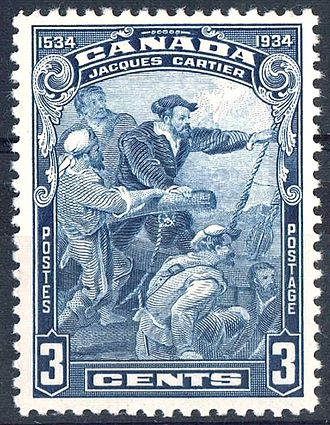
My best friend in high school was a proud Quebecois who could trace his ancestry back to the earliest seigneuries. We co-wrote a weekly column for The Trentonian and Tri-County News called “Looking at Stamps”. That’s part of what gave us a global outlook, along with my foreign origins and his family’s association with the Royal Canadian Air Force. 

In those days new nations were breaking the chains of empire in rapid succession. So when the Union Jack came down to make way for the red Maple Leaf Flag 55 years ago, our hearts glowed with pride: We were free at last from those humiliating colonial bonds.

Gradually, beginning around 30 years ago, I developed a somewhat peculiar notion of what Canada is all about. I became what could be called a “neo-Loyalist”, just when the province we had settled in did a complete about face from “Loyal She Remains” to a clumsy variation of revolutionary republicanism.

Today is the 153rd anniversary of Confederation — originally just New Brunswick, Nova Scotia, and Canada, which would soon be divided into Ontario and Quebec. 

At that point, “Canada” had been a place name on European maps for more than 300 years. 

“They call a town Canada”, Jacques Cartier wrote in his diary, “they” meaning the Indigenous people he met along the St Lawrence shores. So he called their land le pays des Canadas — the land of towns. 

The meaning has shifted over time. I read somewhere that at one point ”Canada” signified all of New France at its zenith, including the entire Mississippi basin down to New Orleans, an entity that came into existence as a complex range of agreements with the peoples of those lands.  

Canada is a good name. Calls to change it are extremely rare, with one glaring exception: for nationalists in Quebec, it has come to mean “the rest of Canada” — anglophone Canada. 

Personally, I’d like to see a return to the plural: the land of Canadas, or the Canadas. I’ll explain why later.  

Before I go there, I want to profess an allegiance to a long, broad view of what Canada signifies: 

With a wide angle view, what happened in 1867 becomes just a step along the way. In some respects, it may have been a step backwards. 

What led me to this broad view was the great good fortune of being invited, out of the blue, to go down to Jamaica to teach North American history at the University of the West Indies 30 years ago.  

It started as a one-year appointment. North American history meant primarily the history of the United States. 

As it happened, the one-year placement became two, and then three years. In the second year, I was assigned the additional duty of teaching “The Atlantic World 1400-1800”.

This is the foundation course for studying history on all three UWI campuses: Jamaica, Trinidad and Barbados (today there are five campuses serving 17 countries and territories)..

The course covers the interaction between Atlantic Europe (mainly France, England, Portugal, Spain and the Netherlands); Africa (mainly West and Central Africa), and the Indigenous peoples of the Western hemisphere from the time sustained contact began. 

The Atlantic World is a recognized field of study now, but it was a relatively new concept then. Teaching a U.S. history survey course with a few Canadian references had been a breeze, but this assignment took me far beyond what I was familiar with. I had to work extremely hard to give my students what they deserved.

Doing this work in what had been a British West Indian colony, on a campus that was once a  sugar plantation, to a class representing a new generation of the African diaspora, was disorienting — in a good way. It felt my whole world had been turned upside down. But that view has felt right side up ever since. 

The story looks different depending where you stand: Hudson’s Bay, Newfoundland, Quebec, Boston, New Amsterdam/NewYork, Jamestown, Charleston, Savanna, Port au Prince, or Kingston, Jamaica. But to understand any of those places, it makes sense to begin with a single narrative.

Up to the day when the “world turned upside down” in 1781 (i.e., when the British surrendered to the Continentals and their French allies), very few people had even imagined such a thing as a United States of America, much less a Dominion of Canada. Up to that point, we were all part of an integrated system. 

After the 13 colonies seceded, the rest — Newfoundland, Canada, the loyal Maritime colonies, Rupert’s Land, Louisiana, and the British, French, Dutch and Danish Caribbean — carried on.  

Spain in America is also part of the story, especially for the U.S. chapters, but I don’t know enough to do it justice, even in a light, cursory telling. Suffice to say that there were great cities with universities, sophisticated local economies and distinct cultures in the southern part of the hemisphere before there even so much as a log cabin in what is now Canada and the United States.   

The main point I’m getting at here is that the land of Canadas wasn’t born on July 1st, 1867. 

Nor did this country suddenly spring into existence on July 24, 1534, when that adventurer from St. Malo “discovered”, named and claimed it for King Francis I.  

We built the towns and the roads, in some cases on Indigenous towns and roads. But the land the towns of Canada are built on is the work of the Creator and/or grand geological forces over time. 

According to the story as I like to tell it as a 21st-century Canadian, this continental matrix from which we emerged, from Trinidad to Nunavut; from Bonavista to the redwood forests, still connects us. 

When slavery was abolished in the British empire on August 1st 1834,  Upper and Lower Canada, Newfoundland, the loyal Atlantic colonies, and the British West Indies were all part of a single, although infinitely complex, whole. 

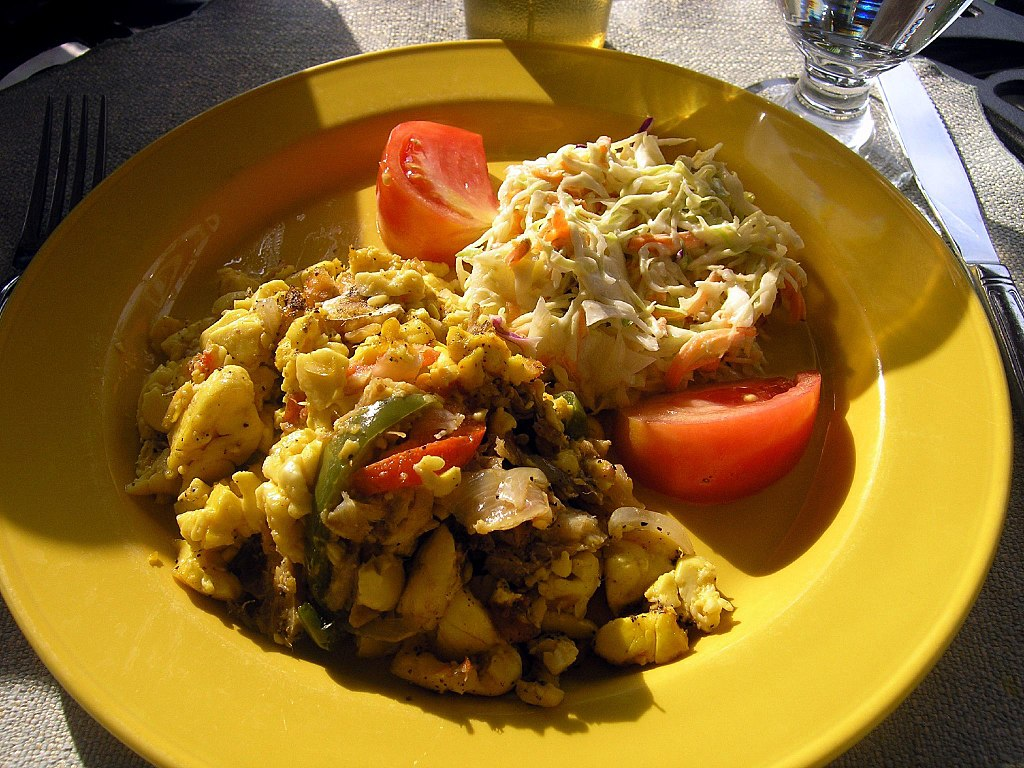
One indication of those connections is the fact that the Jamaican national dish is ackee and saltfish – an African ingredient and a Newfoundland ingredient brought together in the crucible of the Empire, originally as cheap food for slaves on sugar plantations, and now part of what could be called Jamaican exceptionalism.

The prevalent view, here and around the world, is to see things in accordance with the U.S. storyline. If we had a more comprehensive view of our origins, Canadians might still make more of observing Emancipation Day on August 1st as they do in Jamaica (as did Free Blacks in the U.S. and the Boston Brahman abolitionists that I wrote about in my dissertation).

Our association with the abolition of slavery in the British Empire is something we can take some store in. But this also connects us with modern slavery based on race, which means the Transatlantic Slave Trade and all that has resulted from it, including the tragedy that is race relations in the United States. 

The fact that the settlers in the 13 colonies separated and went their own way at one point doesn’t erase our part in these developments, for better and for worse.

See also Part 2: The Canadas

War and Peace

Waterloo Day Eve, Friday June 17
Kitchener, Waterloo, Ontario, Canada

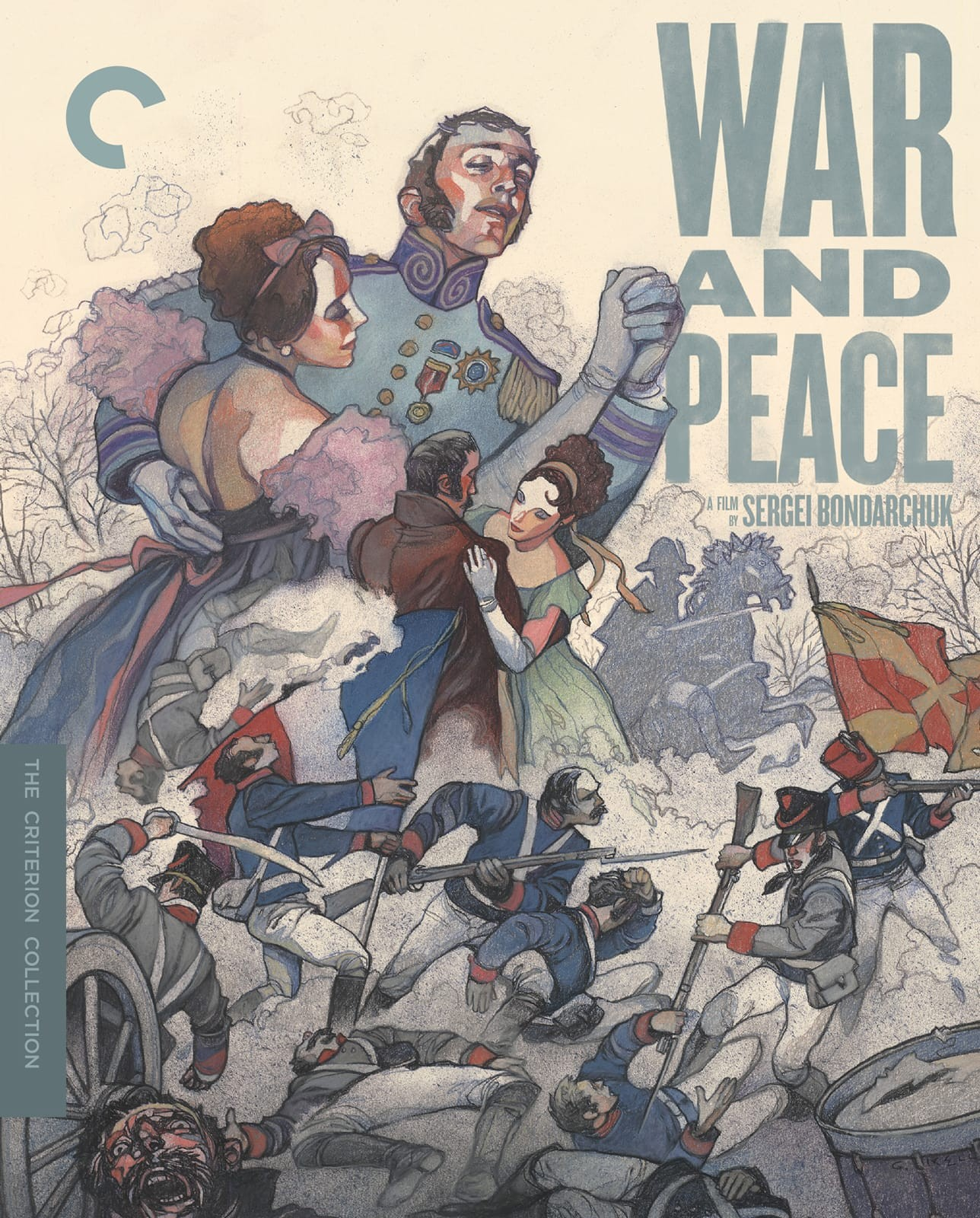
Still from War and Peace, Andrei Bolkonsky, USSR 1966 – wikipedia

About a month ago, I got a bee in my beret about organizing a public screening of the 7-hour film adaptation of Leo Tolstoy’s War and Peace (USSR 1966) on Saturday, June 18th.

June 18 is the anniversary of the 1815 Battle, the namesake of Waterloo the County, Region, City, Township and University. Two years ago, I wrote a couple of columns that proposed making this an annual event:

Waterloo Day

Waterloo, Waterloo, Waterloo

The film carries a special resonance in 2022, with war once again engulfing Russia and Ukraine. So does the historical connection of Waterloo, Ontario, Canada with the theme of peace. 

The hope was, or is — I haven’t abandoned the idea entirely — that showing a great work of cinematic art from the USSR when it encompassed both Ukraine and Russia, based on the work of a writer from Russia in Tsarist times who was a committed pacifist, could help us cope with this deplorable war and its effects on our lives and livelihoods in 2022, and think about how to restore peace. 

I just wish I’d thought of this earlier: all the places I contacted about the possibility of hosting an all-day film screening were booked, and the turnaround was just too quick for all the potential partners. 

For the Waterloo Day idea, there’s always next year. There will still be room for a meaningful local/regional complement to the “Celebrate Canada” program run by the federal Department of Canadian Heritage, from National Indigenous Peoples Day (June 21), to  Saint-Jean-Baptiste Day (June 24) and Canadian Multiculturalism Day (June 27) and culminating with Canada Day on July 1st. 

We can only hope that the current special relevance of War and Peace, the novel and the Soviet-era film epic, will no longer apply when we reach June 18, 2023. But these are art works for the ages, part of the inheritance of all humans, living and yet to be born. They warrant this kind of attention in the same way Shakespeare’s plays deserve a world-class annual festival. 

Meanwhile, as the fighting continues in Eastern Europe, doing something along these lines here in Waterloo Country might still be worth a try. I’m sending this out to see if anyone is interested in being part of an impromptu “One Epic Film, One Community” initiative over the summer ahead. 

The film was originally released in four parts, over a year and a half. My idea was to make it an all-day event, but it can also be watched in installments. I subscribe to the Criterion Channel, so I can watch it, and host screening parties with guests, anytime I like. The MUBI streaming channel is another option; both are relatively affordable and offer a free trial period. KPL and Idea Exchange have copies; there’s also a YouTube version. 

If you’re interested in being part of something like this, let me know (mdg131@gmail.com; 519 880 5454). 

To help get things going, I just started a Home Range Film Club, “an association formed to carry on with the film screening, discussion and appreciation activities of the Multicultural Cinema Club / Commons Studio from 2008 – 2020, including the Local Focus Film Festival, Multicultural Film Screening Series, History of Film Club, Friday Movie Show & Tell and a Kitchener NFB Club project.” 

There’s a Facebook group. I made it private, so only members can see who’s in the group and what they post. So far, there is one one member: me.  

Home Range Film Club Project #1: Launching an open-ended “One Epic Film, One Community” initiative encouraging and facilitating watching the 7-hour Soviet era film adaptation of Leo Tolstoy’s War and Peace (USSR 1966) over the summer of 2022.

There’s no particular agenda. I’d like to watch the film again, and think about its relevance, especially as a great work of cinematic art. And I know that I’ll enjoy it more, and get more out of it, if I do this as part of a group of Waterloo Country friends and neighbours.   

On Further Reflection: Waterloo Day

With minor revisions, as posted June 18, 2020, part of a series entitled “What’s in a Name?”

William Sadler, Battle of Waterloo 1815 – wikipedia

Today is the 205th anniversary of the Battle of Waterloo, the namesake of the Village/Town/City of Waterloo; Waterloo County/Region; the former Township of Waterloo (which included Berlin/Kitchener, Hespeler and Preston), and the University of Waterloo.

At about the same time, the Village/Township of Wellesley and the County of Wellington were named after Arthur Wellesley, the 1st Duke of Wellington, who led the victorious forces at Waterloo.

This was in 1815, the same year our one and only war with the United States ended (we tend to forget that the War of 1812 was a branch of the Napoleonic Wars).

These Upper Canada namings took place the following year, 1816. I once spent a lot of time and effort trying to convince people in WWW country to make something of the bicentennial of Waterloo, Wellesley and Wellington as Ontario place names. 

The idea didn’t catch on. 

The story looks different from the other side. For most people, “Waterloo” signifies defeat, as in “meeting your Waterloo.” To me, this is an indication of how dominant the revolutionary republican storyline has been, really since the time of the U.S. American and French revolutions.

When telling the story from a Canadian perspective, Waterloo signifies victory. And peace: The next war of all against all in Europe and its colonies didn’t happen until almost a century later, and there has never been another war between the U.S. and the British, including the land of the Canadas. 

From an Indigenous perspective, the peace meant utter defeat. After 1815, the great settler republic began imagining it had a “manifest destiny” to dominate North America from coast to coast to coast to border (including absorbing the future Dominion of Canada). Part of what made such ambitions possible was that the two colonial powers on the continent were now at peace.

As a result, First Nations, who had held the balance of power on the continent and skillfully used it to their advantage, militarily and diplomatically, for more than two centuries, were now at the mercy of any army or police troop, and any armed settler vigilantes who happened to come their way. 

“American Progress” by John Gast, an allegory of Manifest Destiny – wikipedia

Half century later, when the non-rebellious European settlers on the continent achieved partial home rule, they started to imagine that they too had a divine mission to dominate the land and the people on it as a “Dominion” from sea to sea to sea.

For all these reasons, this is an annual milestone worth commemorating. 

Like all battles, Waterloo was a gory horror. But it was a fateful day, and we can be glad it was our side that won. Wellington may deserve to have his statue in Glasgow, Scotland torn down, but whatever his villainies may have been, those of Napoleon were far worse.

The Emperor didn’t just delay the abolition of the slave trade, as Henry Dundas has been accused of doing, he tried to restore slavery to his domains eight years after it had been abolished during the French Revolution. The former slaves of Saint-Domingue, now citizens of Haiti, put a stop to these plans.

A year later, Napoleon sold what was left of New France to the rising settler republic, thus sealing the fate of the people of the lands called Louisiana.

On Further Reflection: Waterloo, Waterloo, Waterloo

With minor revisions, as posted June 24, 2020 as part of a series entitled “What’s in a Name?”

Given that the first European settlers in this region were devout pacifists, and that the area has been peopled, over the years, by arrivants fleeing wars of one kind of another, including the largest Indigenous element, it is ironic that the two cities of North Waterloo and the County/Region itself are named after a battle (Waterloo) and a warrior (Kitchener).

If a name, or a motto, or a symbol like a crest, a flag or a statue associated with a body politic like a city, a province or a country becomes problematic, there are three choices: Leave it as it is and live with it; replace it with something more suitable, or modify what it symbolizes.

Waterloo the City, County/Region and University could simply declare that from now on, the name signifies peace, not the victory. Or that it signifies the defeat of the progenitor of modern military dictators, not the triumph of the British and their allies (it was the Prussians that saved the day).

The triple W could also disassociate from the battle altogether, and go back to the original meaning in my native tongue: Water + loo means “water, watery” + “forest, clearing in a forest, marsh”.

This could be accompanied with a declaration that henceforth the name signifies a commitment to sustainable development and holding the countryside line.

Another advantage of Waterloo as a name is that, unlike London, Cambridge or Berlin, we are the main Waterloo in terms of size and influence. When you say London or Cambridge to the world, you have to clarify that you mean that London or Cambridge, not the real London or Cambridge. For the main Waterloo, there’s nowhere near the level of confusion you get when you use most recycled names European names in Google searches.

The multiple meaning of the term does cause confusion in the local/regional context. When the Waterloo Regional Economic Development Corporation quietly dropped the “regional” qualifier and started presenting itself as the “Waterloo Economic Development Corporation” a couple of years ago, it generated some controversy. 

The move could be interpreted as amalgamation by stealth, as an obliteration of the Kitchener presence, and/or as an appropriation of the City of Waterloo name.

Part of the problem is the awkward term “Region” that the province imposed on our communities 40+ years ago. The world understands what a city, township or county is, but “Region” applied to a municipality is a peculiar and therefore confusing usage.

“Region” indicates a kind of re-colonization: Designating a county, and granting town or city status are a kind of separation; reverting to a “region” of the province is a step backwards. The equivalent would be the federal government turning a province back into a territory. 

The term also causes confusion among local/regional jurisdictions: W[R]EDC serves, represents and is supported by our “lower” tier as well as our “upper” tier municipal structures. The proper usage of the term “Waterloo Region” with a capital “R” is to refer to the regional municipal government, nothing more.

“Waterloo County”, on the other hand, meant the land within the boundaries set in 1853, the settlements on it, and municipal governments for rural areas, but not the separated towns and cities.

The original Waterloo in Upper Canada is the township that no longer exists. This is Block 2 of the Haldimand Tract, including the land where the cities of Kitchener and Waterloo now stand, as well as Preston, Hespeler and Blair, but not the former City of Galt.

And yet, as you drive into Galt on the road from Blair, you pass by a building with large, faded letters that spell out “South Waterloo Agricultural Society”. It is a reminder that Waterloo County was once, not so long ago, one of the most recognizable brands in Canada, as strong if not stronger than the Eastern Townships, Annapolis Valley or Cape Breton.

The fact is, Waterloo the village, town and city; Waterloo the former county, and Waterloo the university all appropriated the name in the same way the Economic Development Corporation has now done.   

There are good reasons for saying “Waterloo region” (lower case “r”), “the Waterloo area”, or “Greater Waterloo” to refer to all communities within the former county. [note in 2022: I’ve started referring to the land and the habitations as “Waterloo Country”].

This needn’t signify the annexation of Cambridge by stealth. On the contrary, it makes it clear that Hespeler, Preston and Galt are not being ignored, as they are with the long outdated term “Kitchener-Waterloo.”

One of the fundamental problems in the civic affairs of our region is the persistence of a KW-centric bias. Myopia might be a better way of putting it: “K-W” not only overlooks the existence of Cambridge, but also erases the distinction between Waterloo and Kitchener. 

It is true that the communities of the two cities of North Waterloo have been integrated in a way that the North and South Waterloo never have. “K&W” would make it clear that the reference is to both places. “K-W”, on the other hand, indicates a mindset: It has no actual existence. There is no mayor of K-W; there is no council that the citizens of the two cities elected to serve and represent them.  

If the K and the W were separated by a comma rather than a hyphen — “Kitchener, Waterloo” —  these problems would disappear. It would signify that Kitchener is part of the Greater Waterloo area. It could be useful in the same way “Preston, Cambridge” or “Galt, Cambridge” can be.

We’re not ready for the term “Cambridge, Waterloo,” but there are times when our more southerly (or easterly) communities might want to underscore their association with what is undoubtedly our strongest economic development and promotional brand.

If Waterloo the City feels slighted by any of this, it could start presenting itself as “Waterloo, Waterloo”. Not to claim that it’s the original; that would be false. However, a claim to being a double distilled manifestation of the spirit that makes Waterloo such a special place might be justified.

(Ontario) Election Hangover

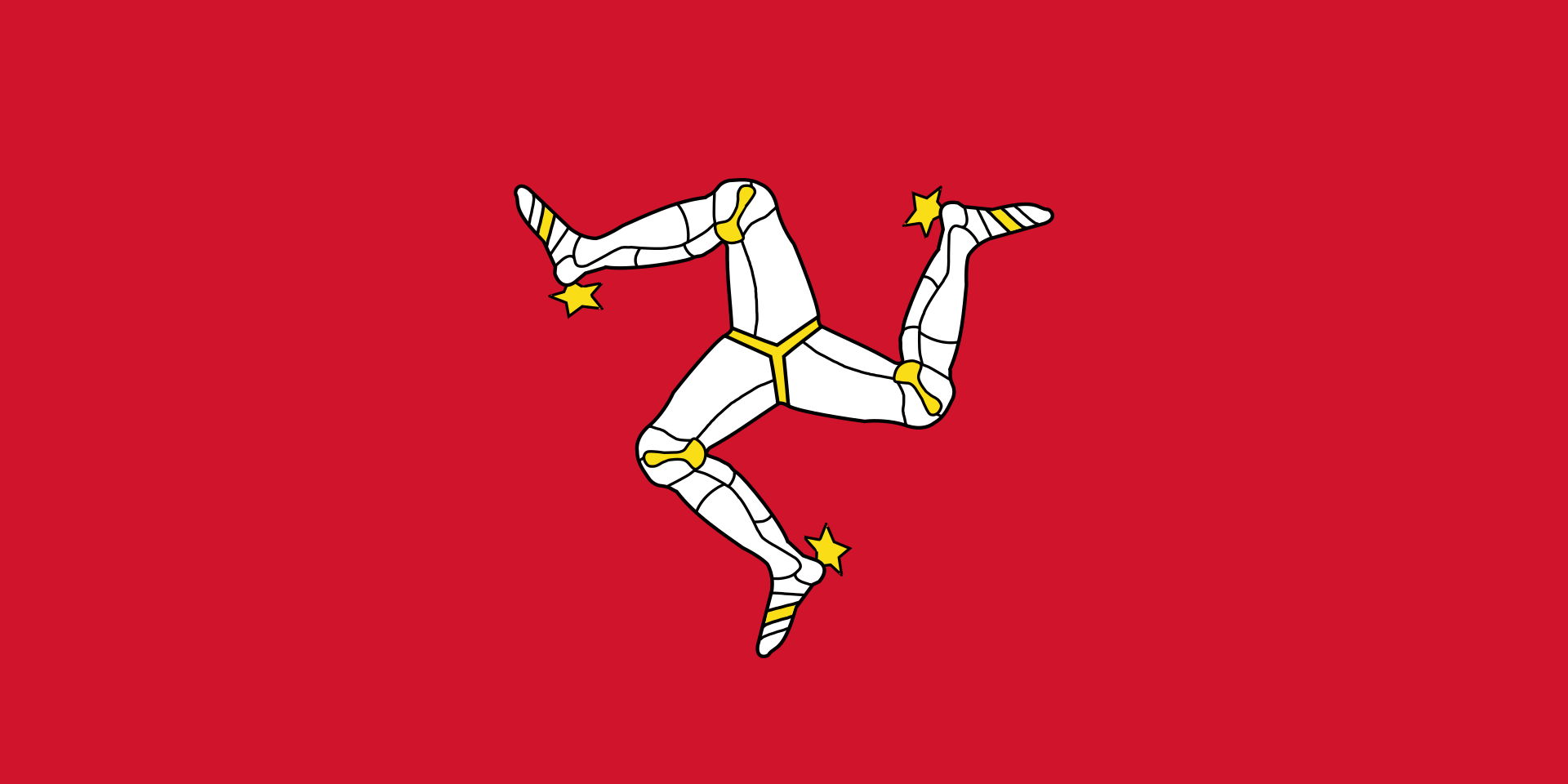
Flag of the Isle of Man — wikipedia

Original Kitchener, Waterloo, Ontario, Canada
Tuesday June 7, 2022

This post began as an impromptu Facebook comment, my contribution to an exchange full of doom and gloom over the prospect of four more years with Doug Ford and his team in charge of the lands, the waters, our schools, our hospitals, our cities, our livelihoods. The initial post in the thread, which I encountered early Monday morning, was illustrated with a coffin. 

The results of the election last week are certainly discouraging: 57% of us didn’t even bother to vote, setting a new record in general apathy. As a result, support from a mere 18% of the electorate was sufficient for one party to form a majority government, giving them the power to run the province more or less as they see fit for another four years. That’s a recklessly dangerous way to steer any body politic into the future. 

People blame the lacklustre leadership of the two parties that split most of the rest of the vote, which combined would have added up to a slightly larger plurality than the winners who took all. There are calls for coalitions, mergers, and for electoral reforms of various kinds, most notably proportional representation.   

My problem with proportional representation is that it would further undermine place-based representation by treating political parties as constituencies. This might be an improvement over what we have now in terms of both fairness and prudence, but making a fundamental change to the electoral system is a laborious, time-consuming process. Do we really have time and energy for such an effort, which could, like all previous attempts at electoral reform, ultimately come to nothing? Personally, I’d rather work with systems that exist and resources that are immediately available.

My contribution to that “death of Ontario” discussion on Facebook began with a question: “Does anyone have an idea of what percentage of eligible voters actually belong to these political parties, and are therefore responsible for having chosen those leaders, setting those policies and developing those strategies we’re all finding so frustrating?”

I haven’t been able to find out how many Ontario citizens are formally committed to working under the red, orange and green banners. But I did learn that the champion PC of O blue machine cites 133,000 members, which is just over 1% of the electorate.

The thought occurred to me that perhaps active and responsible party membership, not voter turnout, is where the real apathy lies. And the reason may be that these associations haven’t evolved over time, especially in relation to the actual purposes they serve, or could serve, in the functioning of a liberal democratic order. 

It is not just our democracy that is under threat. The real tragedy here is how this particular party configuration was able to sail to another victory, despite their dismal record dealing with the environment: the land we live on, the waters below, the skies above. They have shown themselves to be the antithesis of conservative in the true sense of the word. Clinging to the 1950s notion of highway building as the path to prosperity in 2022 is flagrantly retrogressive, not progressive. 

It occurs to me that, given current prospects, and all that’s at stake, the quickest, smartest and most efficient strategy available to the genuinely progressive, conservationist, democratic, liberal-minded and good-hearted would be for us to get our act together, organize, and set our sights on taking over those rickety old hulks of political machinery so we can kick out the jams, and then proceed to fix up the works so these associated conveyances can get us to where we need to go. 

To be safe and sure, we might want to start hedging our bets. I’m proposing that, instead of seeking unity in opposition to another fragile unity, each of us join any of the three main political formations, with the understanding that we’re all fighting the same good fight — an army, a navy and an air force, say. We can then work on multiple fronts to find adaptive reuses for these derelict party structures so that they begin to suit 21st century challenges and opportunities. 

Let’s call it the triple boot approach, and borrow the ancient Manx motto:  Quocunque Jeceris Stabit — “whatever way you throw it, it will stand”. 

So what about the fourth option, the fledgling Green Party of Ontario and the 6% of us who voted for candidates running on its platform? Well, we could change the metaphor to a vehicle with four matched wheels, two that steer, and two to stay on track, all moving in the same direction. 

But the Green could also serve as the catalyst for change, as the heart and soul of the great awakening that the people of this province, and the land it is such a major part of, need and deserve. 

Under proportional representation, 6% would translate to about 7 seats in the legislature at Queen’s Park. But if all or most of the people who voted Green last week joined any of the mainstream political associations, including the triumphant blue machine, they would constitute an overwhelming majority. 

The proposition is not as preposterous as it might first appear. Before the Western Reform onslaught on traditional Canadian conservatism rendered them extinct, there were Red Tories, who were admirable, but sadly out of tune with the neo-lib/con ascendancy. There is no going back. But now, as we’re completing the first quarter of the 21st century, there is no good reason why there couldn’t be Green Tories, especially where the time-honoured Progressive Conservative brand remains extant. 

In the same way, and at the same time, there could be Green Liberals and Green Democrats. The approaches could be different, but instead of being constantly at odds, as in the antiquated political left versus the right of the 1800s and 1900s, the three polarities of the political order I’m imagining could operate as wholesome checks and balances to one another, and, when things are nicely in alignment, function as varied ways to accomplish the same purpose, like an army, a navy and an air force.